SPORTS TOURISM
Independent Advisory Built for Sports Tourism Destinations
From market demand studies and economic impact projections to facility feasibility and strategic counsel, Victus helps destinations build the data-driven case for sports facility investment.
What Victus Does for Sports Tourism Clients

Build the Case for Facility Investment
Market demand studies, drive-time analysis and feasibility work that quantify the regional opportunity for new and expanded sports tourism facilities.
Quantify the Impact on the Local Economy
Economic and fiscal impact projections, hotel-night and visitor spending models that make the case to councils, commissions and hotel communities.
Move the Project From Concept to Commitment
Strategic counsel, operating model recommendations and presentation support during the public reviews that determine whether facilities get built.

Building the Case for Sports Tourism Investment
Sports tourism decisions hinge on two questions that have to be answered together: is the demand there to fill the facility, and is the economic return worth the public and private investment? Tournament operators, regional governing bodies, hotel communities, councils, commissions and private developers all want defensible answers — and the answers have to hold up under public review, peer comparison and the inevitable competitive analysis against the next destination making its own pitch.
For more than 15 years, Victus has worked with destination marketing organizations, counties, sports commissions, youth sports operators, foundations and private developers across the country — providing the market demand analysis, economic impact projections, feasibility work and strategic counsel that sports tourism investments require.
Services for Sports Tourism Clients
Sports tourism engagements often combine multiple Victus services into a single advisory relationship — though each service can also stand on its own.
Victus Valuations
Naming rights and corporate partnership valuations for sports tourism facilities seeking sponsorship revenue alongside event revenue.
Learn more about Victus Valuations →
Victus Insights
Tournament operator interviews, event organizer research and stakeholder analysis to test demand and identify programming opportunities.
Learn more about Victus Insights →
Victus Impact
Economic and fiscal impact analysis covering construction and ongoing operations — including hotel-night modeling, visitor spending and incremental tax revenue projections.
Learn more about Victus Impact →
Victus Feasibility
Market demand studies, drive-time and catchment analysis, facility programming recommendations and operating model evaluation for new and expanded sports tourism complexes.
Learn more about Victus Feasibility →
Victus Strategy
Operating model recommendations, phased buildout strategy, partnership structuring and strategic counsel on competing destination scenarios.
Learn more about Victus Strategy →

Why Destinations, Commissions and Operators Hire Victus

Demand Modeling Built on Real Tournament Markets
Engagements rest on direct outreach to tournament operators, regional governing bodies and event organizers — the audiences whose decisions determine whether a facility books.

Drive-Time and Catchment Analysis at the Center
Profiling catchment within 1, 2.5 and 5-hour drive radii grounds demand projections in the regional market the facility can realistically serve.

Built for the Public-Private Review
Sports tourism investments typically involve public funding, hotel-tax instruments and county-level approvals — impact analyses scoped for council chambers, commission meetings and public engagement.

Independent of the Operator-Architect-Consultant Web
Victus has no operating, design or management interests in the facilities being studied, giving findings the standing they need when they reach commissions, councils and investors.
Sports Tourism in Practice
Recent engagements across destinations and facility types — from regional sports complexes to youth baseball destinations to ice and aquatic centers.
Building Baseball's Next Cooperstown Destination
A proposed eight-field complex and hotel designed to expand the Hall of Fame town's sports tourism legacy.
A New England Play for Youth Sports Tourism
Strategic advisory services for a proposed indoor sports complex on a 389-acre riverfront site.
A Twin-Sheet Future for Hampton Roads Hockey
Feasibility insights for a new ice center designed to meet local demand and grow regional sports tourism.
Lee County's Sports Tourism Growth Strategy
A facility expansion roadmap designed to drive room nights, revenue and year-round visitation.
A Decade of Sports Tourism in Virginia Beach
A sustained research partnership behind the venues, operators and investments driving a coastal city's sports tourism growth.
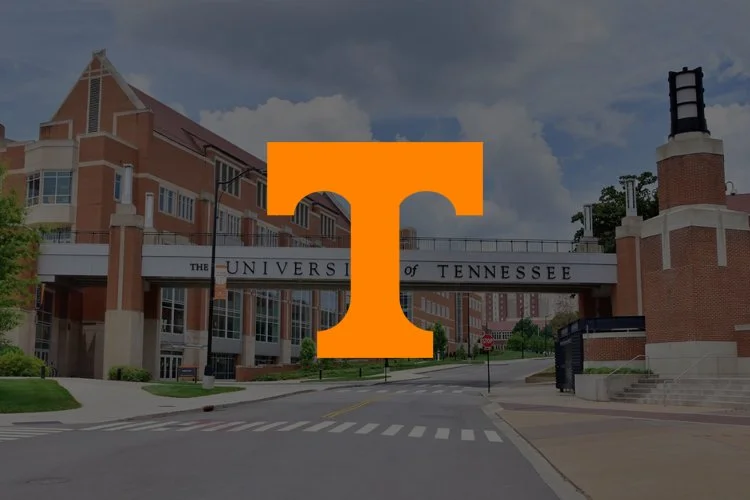
Sports Research and Tourism at Tennessee
Market and financial feasibility for a facility combining advanced sports research with tournament-ready fields and courts.
Frequently Asked Questions
-
Victus supports destinations, counties, commissions, operators and developers on facility feasibility, market demand analysis, economic and fiscal impact projections, hotel-night and visitor spending modeling, operating model recommendations, partnership structuring and strategic counsel during the public review process. The work covers the full decision arc from concept through funding approval to operating launch.
-
Engagements are most often initiated by sports commission executives, destination marketing organization leadership, county administrators, parks and recreation directors, hotel-tax authority leadership or private developers exploring sports tourism investments. Many engagements are scoped collaboratively with multiple stakeholders — county commissioners, hotel community representatives, foundation leadership and capital partners — particularly when public funding is involved.
-
Victus has supported sports commissions, destination marketing organizations, county and city governments, youth sports operators, foundations and private developers across the country. Engagements have spanned youth baseball and softball complexes, indoor multi-sport facilities, ice and aquatic centers, soccer and lacrosse fields, tournament-ready hardcourts and mixed-use sports tourism districts. The methodology adapts to the facility type and market context; the rigor stays consistent.
-
Yes — and most sports tourism engagements do. A new facility project typically combines feasibility analysis with economic and fiscal impact projections, with strategic counsel on operating model and partnership structuring. A facility expansion might combine demand analysis with operating model recommendations. Engagement scope follows the decision at hand.
-
Demand modeling combines drive-time and catchment analysis at multiple radii (typically 1, 2.5 and 5 hours), tournament operator and regional governing body outreach to test booking interest, comparable facility benchmarking against competing destinations and category-specific market analysis. The approach varies by sport — youth baseball demand is modeled differently than indoor multi-sport, which is modeled differently than ice or aquatics — but the goal is consistent: ground demand projections in evidence rather than aspiration.
-
Sports tourism investments often involve hotel occupancy tax instruments, public funding mechanisms or hotel-tax authority approvals — meaning the hotel community is a key audience for any feasibility or impact study. Victus engagements scope hotel-night projections, visitor spending analysis and operating recommendations with the hotel community's interests in mind. Many engagements include presentation support during hotel-tax authority meetings, county commission reviews or public engagement sessions.
-
Sports tourism engagement timing depends on the project stage. Pre-concept demand assessment work helps a destination decide whether to pursue a facility at all. Feasibility studies are typically scoped 18–36 months before a facility breaks ground, allowing findings to inform design, funding and partnership decisions. Impact analyses align with public funding approval timelines. Strategy engagements support operating model decisions through launch. Most engagements run 12–20 weeks; complex multi-service engagements run longer.
-
Deliverables are calibrated to the audiences the work needs to convince — typically county commissions, sports commission boards, hotel-tax authorities, foundation boards and capital partners. Reports include presentation-ready materials, executive summaries and supporting analysis built for public review. Many engagements include presentation support during commission meetings, council chambers, hotel-tax authority reviews and public engagement sessions.

Ready to Build the Case for Sports Tourism Investment?
Send us a few details about your project and we'll be in touch within one business day.