

VICTUS VALUATIONS
Know What Your Deal Is Worth Before You Negotiate
Independent sponsorship, naming rights and partnership valuations — grounded in comparable deals, market analysis and 15+ years of advisory work across pro sports, college athletics, public venues and corporate brands.

Know What Your Assets Are Worth
Comparable benchmarking and asset-level buildup, cross-checked against market reach and audience data.
Negotiate From a Defensible Position
Whether you're the property or the partner, you go in with a number that holds up to scrutiny.
Build Deals That Reflect the Full Value
Commercial value, intangibles and strategic fit — accounted for, not assumed.
Pricing Sponsorship Assets the Right Way
A defensible sponsorship valuation comes from one place: evidence. Comparable deals in similar markets. Asset-level analysis of every component in the package. Audience reach and engagement data. Category-specific CPM benchmarks. Intangible value tied to brand goodwill, civic alignment and mission fit.
For more than 15 years, Victus has delivered this work across professional sports, college athletics, performing arts, public venues, sports tourism and corporate brand partners — producing pricing that holds up in board rooms, council chambers, partner negotiations and on the front page when the deal goes public.
Why Properties and Partners Hire Victus for Valuation Work

Independent and Defensible
Victus has no stake in the deal. Valuations stand up to board reviews, council approvals, public scrutiny and partner pushback because they're built on asset-level methodology.

Built on Real Comparables
A deep library of deals across major league venues, community recreation centers, livestock arenas, transportation networks, performing arts and sports tourism destinations.

Tied to How Deals Get Done
Engagements deliver pricing ranges, partnership packaging, prospect identification and negotiation support — the work that turns a valuation into a closed deal.

Built for the Full Spectrum
From $1.4 million annualized partnership programs to multi-million-dollar naming rights agreements, the methodology scales without compromising on rigor.
What's Inside a Victus Valuation
-
![gears]()
Market Context and Audience Reach
Victus assesses local and regional demographics, media market size and sponsor activation potential to define the value of exposure for the property's specific audience.
-
![A red banner with the number 2 in white]()
Inventory Audit and Asset Mapping
Every sign, suite and sponsorship zone is cataloged and evaluated — from facility naming rights to static signage, digital media inventory and proprietary platforms.
-
![A red flag with number 3 in center]()
Comparable Deal Benchmarking
Peer venue partnerships and naming rights deals are analyzed to identify market norms, outlier valuations and pricing anchors for similar properties in similar markets.
-
![Red ribbon icon with a white number 4 in the center.]()
Media, Signage and Digital Valuation
Impressions and fair market value are estimated for broadcast mentions, on-site signage, social and online exposure — using category-specific CPM benchmarks and audience-quality weighting.
-
![Red flag with a large white number '5' on it]()
Hospitality and Experience Value
Tickets, suites, premium hospitality and event access are quantified at fair market value rather than face value, reflecting how corporate partners use these assets.
-
![Red banner with a white number 6]()
Intangible Value Analysis
Non-commercial benefits — brand goodwill, civic alignment, mission fit, charitable recognition — are evaluated alongside tangible inventory to capture the full value of a partnership.






Victus Valuations in Practice
Recent engagements across categories — from corporate brand partners to public venues, healthcare systems to performing arts centers.
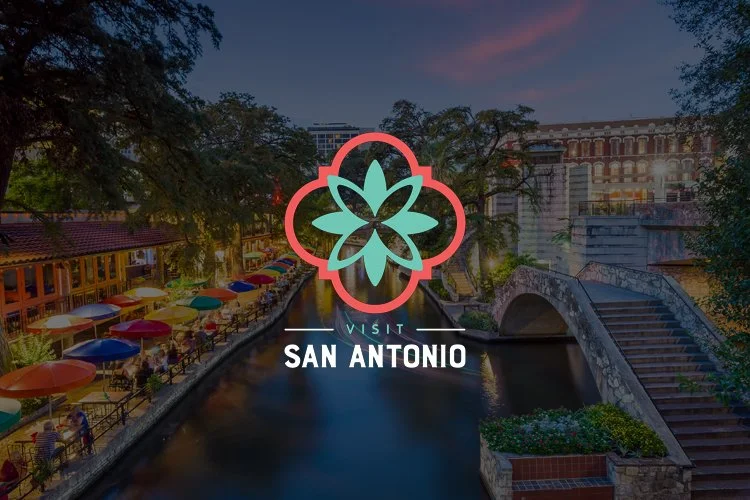
Pricing the River Walk Experience
A sponsorship and naming rights valuation covering more than 30 annual events across San Antonio's tourism calendar.
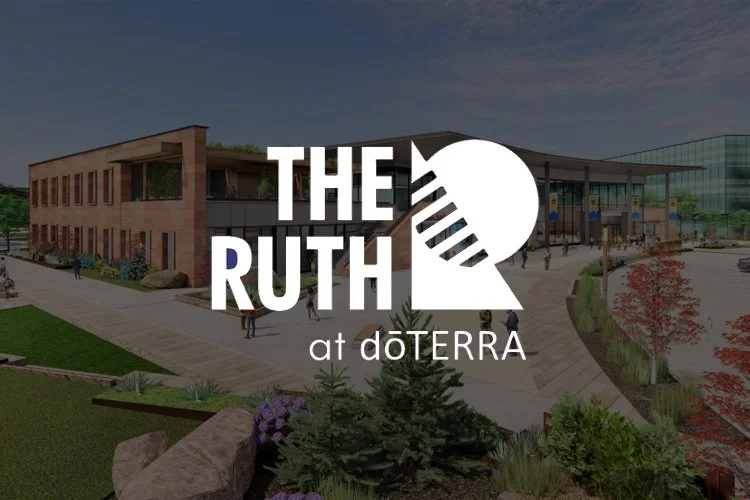
Aligning Donor Intent and Market Value at The Ruth
Naming rights valuation balancing charitable goodwill and commercial sponsorship at a new Utah performing arts center.

Prisma Health's Expanded Play at Clemson
An asset-level valuation of a two-year multi-sport collegiate sponsorship.
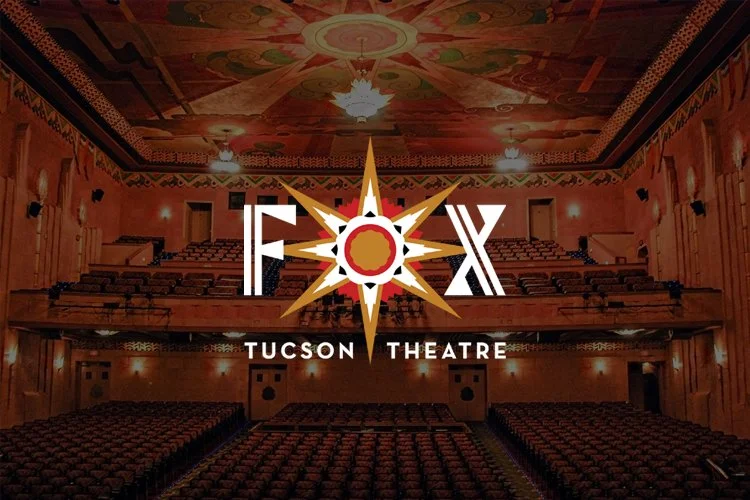
A Second Century for Tucson's Crown Jewel
A sponsorship and naming rights valuation for a historic performing arts venue preparing for its centennial expansion.
Valuing the Tucson Convention Center and OneAZ Deal
A comparable deal analysis and asset-level pricing for the proposed naming rights across the convention center and arena.
A Crypto Milestone with Inter Miami FC
Valuation and negotiation support behind XBTO's jersey front sponsorship deal.
Frequently Asked Questions
-
Sponsorship and naming rights valuation is the process of determining the fair market value of commercial assets a property can sell to corporate partners — including facility naming rights, signage, media exposure, hospitality, digital and social activations, and intangible benefits like brand association and community goodwill. A defensible valuation grounds pricing decisions in comparable deals, audience reach and asset-level analysis rather than guesswork.
-
Both buyers and sellers benefit from an independent valuation because it produces a shared, defensible reference point for negotiations. Without one, deals tend to anchor on either party's opening number or on outdated comparables. An independent valuation protects sellers from underpricing assets and helps buyers confirm they're paying fair market value — particularly important on high-profile, multi-year or charitable-component deals where the price will be scrutinized publicly.
-
Victus valuations combine three approaches: comparable deal benchmarking against similar properties in similar markets, asset-level buildup that prices each component individually, and market analysis covering audience demographics, reach and engagement. The three approaches are cross-checked against each other to land on a defensible range rather than a single point estimate.
-
A typical naming rights package includes the facility name, primary signage (interior and exterior), digital and broadcast inventory, in-venue media, hospitality and ticketing benefits, IP and trademark rights, on-site activation rights and category exclusivity. Increasingly, packages also include proprietary platforms — content franchises, podcast presenting rights, social media activations and athlete or talent integrations — that didn't exist in legacy deals.
-
Across Victus engagements, naming rights agreements typically run 10 to 30 years for major venues and 3 to 10 years for smaller properties or component naming opportunities like clubs, plazas and gates. Longer terms generally support higher annual values because they provide brand-equity stability and amortize partner activation investments. Shorter terms reduce annual price but allow both parties to recalibrate as market conditions shift.
-
When a partner's payment is partly a charitable contribution — common in nonprofit, university and arts settings — the valuation separates commercial value from charitable goodwill. The split is typically expressed as a percentage allocation (for example, 70% commercial / 30% charitable) and requires careful contract language to satisfy both parties' tax, accounting and stewardship needs. The commercial portion is valued like a traditional sponsorship; the charitable portion is recognized for the donor's mission alignment and recognition rights.
-
Naming rights valuation focuses on a single, dominant asset — the right to attach a brand name to a venue, event or property — typically as an exclusive, long-term agreement. Sponsorship valuation covers a broader portfolio: tiered partner programs, individual event sponsorships, asset-by-asset pricing across an entire property's inventory and media-value calculations across multiple partners. Most major properties need both: a naming rights valuation for the headline asset and a sponsorship valuation for everything underneath it.
-
A typical Victus engagement runs 8–12 weeks and includes discovery and asset inventory, market and demographic research, comparable deal benchmarking, asset-level valuation modeling, partnership packaging recommendations and a final report with defensible pricing ranges. Many engagements also include partner identification — a target list of prospects — and negotiation support during deal discussions. The deliverable is a roadmap, not just a number.
-
Partner identification starts with the property's audience and brand profile, then maps against corporate partners whose target customers, geographic footprint, brand values and category goals align. Strong partner identification produces a tiered prospect list — primary targets, secondary fits and category fillers — rather than a single name. The best deals emerge when the corporate partner's commercial goals genuinely align with what the property delivers.
-
Public-private partnerships and publicly funded venues introduce additional considerations: state and municipal tax implications, public scrutiny of pricing, alignment with community benefit goals and statutory requirements around competitive bidding and transparency. Valuations for these properties need to be especially defensible — capable of withstanding public review, supporting council or board approval and informing potential RFP processes for prospective partners.

Ready to Know What Your Assets Are Worth?
Send us a few details about your project and we'll be in touch within one business day.