

VICTUS IMPACT
Quantify What Your Project Means for the Community and the Public Coffers
Independent economic and fiscal impact analysis for venues, stadiums, districts and public investments — built on IMPLAN modeling, defensible methodology and 15+ years of advisory work across pro sports, college athletics, public venues and major civic projects.

Quantify the Full Economic Case
Total output, jobs, labor income and visitor spending — modeled to the specific economic area of your project.
Make the Fiscal Case Clear
City, county and state tax revenues calculated transparently across construction and operations.
Withstand Public Scrutiny
Methodology, sourcing and assumptions built for council chambers, legislative hearings and the front page.
Building the Public Case for Major Civic Projects
A defensible economic and fiscal impact analysis comes from one place: methodology that holds up in public. IMPLAN modeling calibrated to the right economic area. Gross-to-net direct spending estimates that account for displacement. Fiscal projections built on the right tax categories and rates. Transparent assumptions that survive line-by-line scrutiny.
For more than 15 years, Victus has delivered this work across stadium projects, downtown redevelopment, mixed-use districts, civic infrastructure and major capital investments — producing analysis that supports the public conversations these projects depend on.
Why Public Agencies and Project Sponsors Hire Victus for Impact Work

Independent and Defensible
Independent of design, construction and operating interests — built on IMPLAN modeling and assumptions that hold up under council, commission and community review.

Calibrated to the Right Economic Area
IMPLAN multipliers are calibrated to the relevant city, county, MSA or state — because a project in Kansas City generates different impacts than one in Honolulu.

Built for Public Conversations
Engagements deliver more than a final report — presentation support, council and board appearances and public-facing executive summaries built for formal review.

Built for the
Full Spectrum
From $30 million community recreation centers to multi-billion-dollar stadium-and-district projects, the methodology scales without compromising on rigor.
What's Inside a Victus Impact Study
-
![gears]()
Project Scoping and Economic Area Definition
Victus defines the relevant economic areas — city, county, MSA, state — and scopes the project's components to ensure modeling captures both the anchor venue and any ancillary or mixed-use development.
-
![A red and black ribbon with a large white number 2 in the center.]()
Gross Direct Spending Modeling
One-time construction expenditures and ongoing operations are modeled separately, covering supplies, labor, services, ticket revenues, premium seating, concessions, sponsorships and visitor spending across rent, lodging, restaurants, retail, entertainment and transportation.
-
![A red flag with a number 3 in the center.]()
Net Direct Spending Calibration
Gross spending is adjusted to net by accounting for displacement — the principle that local resident spending would otherwise circulate within the local economy. Net direct spending captures dollars genuinely new to the economic area.
-
![A red flag with a white number 4 in the center.]()
IMPLAN Economic Modeling
Net direct spending is run through IMPLAN multipliers calibrated to each relevant jurisdiction to estimate total output, employment, labor income and tax revenues — the indirect and induced effects that compound across the economy.
-
![Red flag with number 5 in center]()
Fiscal Impact Calculation
City, county and state tax revenues are calculated separately across applicable categories: sales tax, property tax, hotel/lodging tax, prepared food tax, payroll tax and any project-specific instruments like PIDs or TIFs.
-
![A red ribbon award with a large white number 6 in the center.]()
30-Year Net Present Value Projections
Long-term projections are presented in net present value terms, allowing public officials to compare long-term economic returns against the upfront public investment in a single, apples-to-apples figure.






Victus Impact in Practice
Recent engagements across categories — from stadium projects to downtown redevelopment, ancillary development to civic infrastructure.
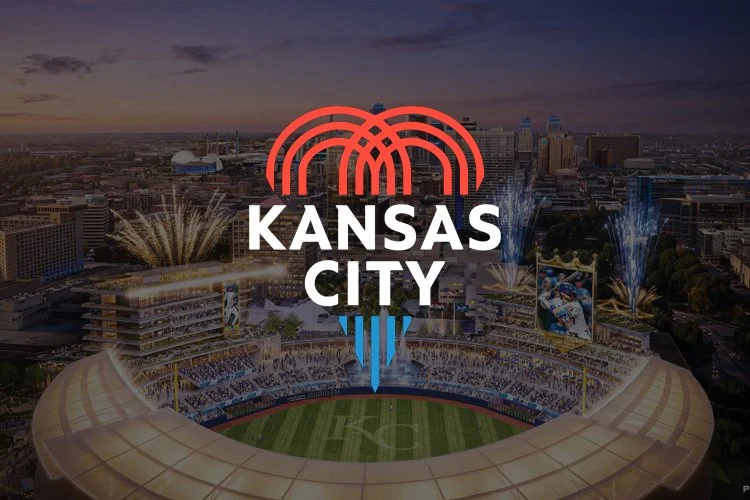
Measuring the Impact of a New Kansas City Royals Ballpark
A 30-year economic and fiscal impact analysis for a proposed $1.9 billion downtown stadium.
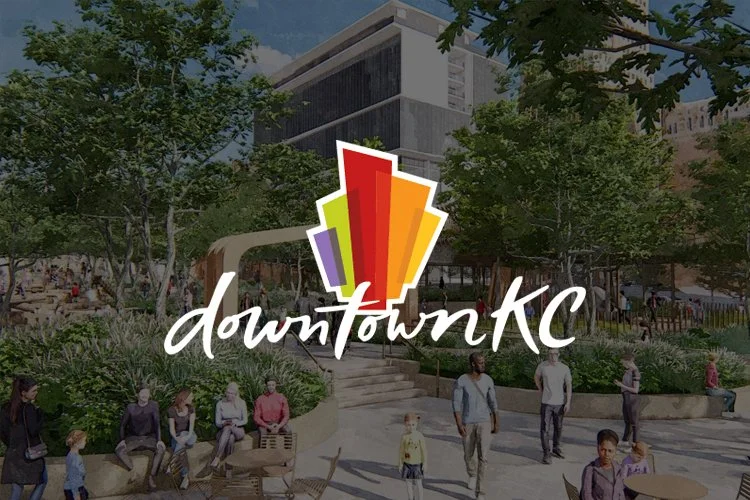
A Front Yard for Downtown Kansas City
A 30-year economic and fiscal impact analysis for a proposed 4.6-acre park deck over I-670.
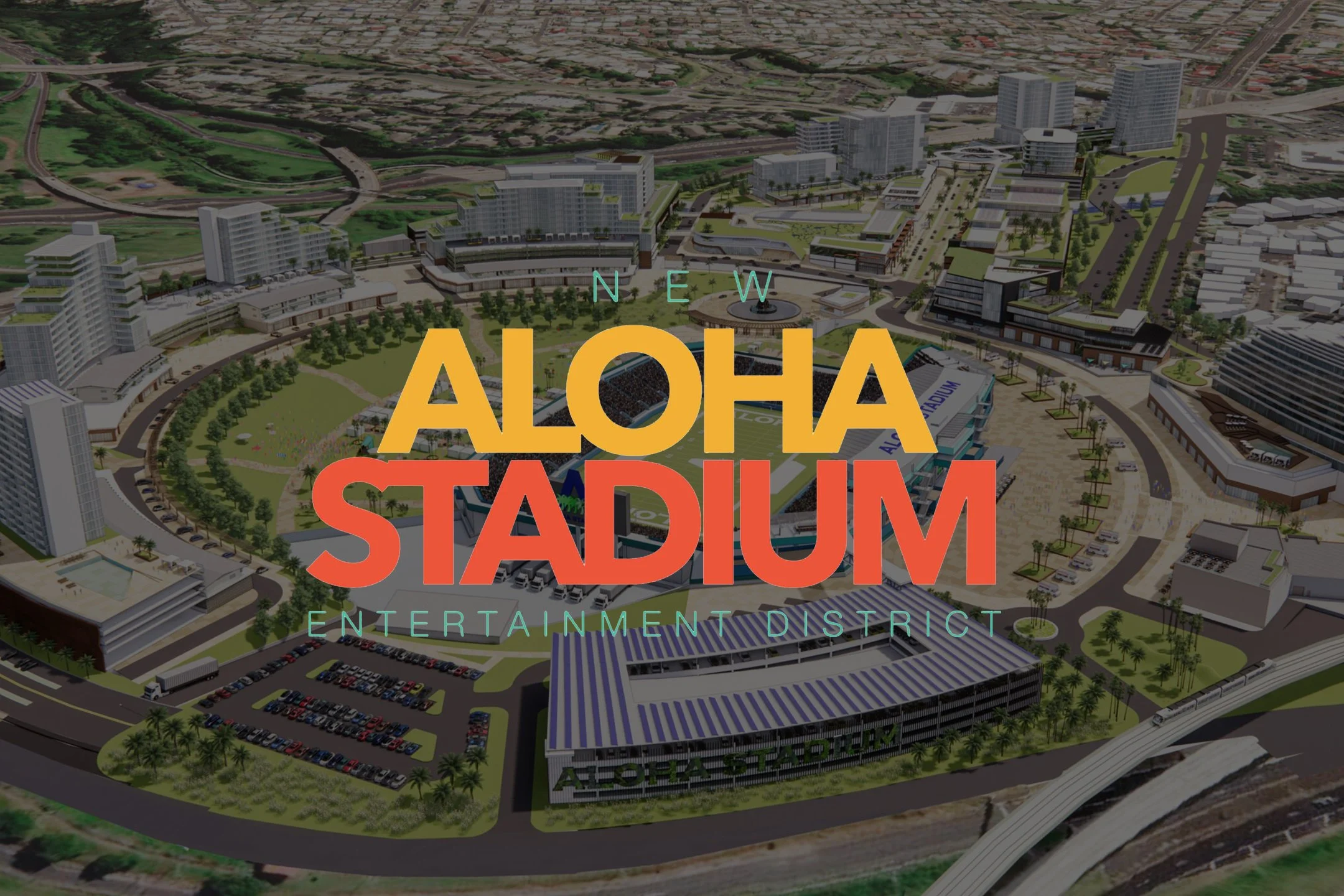
Elevating Hawaii's Entertainment Landscape
Economic and fiscal insights for the new Aloha Stadium — supporting culture and growth statewide.
A New Era for the Kansas City Current
Economic and fiscal analysis for the first purpose-built stadium in the NWSL.
A New Ballpark and Urban Redevelopment in St. Petersburg
Economic and fiscal analysis for a proposed Tampa Bay Rays venue and historic district revitalization.

Measuring the Ryder Cup’s Impact on New York
Victus Advisors founder Brian Connolly analyzed the economic and fiscal impact of the 2025 Ryder Cup at Bethpage Black for the PGA of America, through his student-teaching role with Columbia University.
Frequently Asked Questions
-
An economic and fiscal impact analysis quantifies what a project means for the community and the public coffers. The economic side measures direct, indirect and induced spending tied to construction and ongoing operations — typically reported as total output, jobs, labor income and visitor spending. The fiscal side measures the resulting tax revenues across city, county and state jurisdictions. Together, the two views give public officials, civic leaders and project sponsors a complete picture of what a venue, stadium, district or development generates for the surrounding economy.
-
Economic impact measures total dollars circulating through the economy — output, jobs, wages and visitor spending generated by a project. Fiscal impact measures the slice of that activity that flows back to government as tax revenue — sales tax, property tax, hotel/lodging tax, prepaid food tax, payroll tax and others depending on jurisdiction. Most projects need both. Economic impact tells the story for community and civic leaders; fiscal impact tells the story for the budget office and elected officials weighing public investment.
-
Independent impact analysis is most often commissioned when a project is seeking public funding, a tax increment financing district, a state tax credit, bond financing or any form of public-private partnership. Independent analysis is also valuable for civic groups, downtown councils and economic development agencies advancing redevelopment proposals, and for teams or operators making the case for new venues. Any project where the projected public benefit will be scrutinized publicly benefits from third-party validation.
-
Victus uses a multi-step methodology built on industry-standard tools. The work begins with gross direct spending estimates for both one-time construction and ongoing operations. Net direct spending is then calculated by accounting for displacement — the principle that local resident spending would otherwise circulate within the local economy. Net direct spending is then run through IMPLAN economic multipliers calibrated to the specific economic area (city, county, MSA, state) to estimate indirect and induced effects. Fiscal impacts are calculated separately, applying the relevant tax rates to the appropriate spending categories.
-
IMPLAN is the industry-standard input-output economic modeling software used by hundreds of municipalities, universities and consulting firms across the country to estimate economic impacts. It produces multiplier effects specific to each economic area — meaning a project in Kansas City uses different multipliers than the same project in Honolulu or Pinellas County. IMPLAN's credibility matters because it gives impact studies a defensible foundation when they reach council chambers, legislative hearings or public comment periods.
-
Most Victus impact studies project across a 30-year horizon for permanent venues, districts and major capital projects, presented in net present value terms. Shorter horizons (10 or 20 years) are sometimes used for projects with defined operating windows or specific funding instruments. Net present value framing matters because it allows public officials to compare long-term economic returns against the upfront public investment in a single, apples-to-apples figure.
-
Gross direct spending includes all dollars associated with a project — including spending by local residents who would have spent that money elsewhere in the community anyway. Net direct spending is the incremental piece: dollars genuinely new to the economic area, typically from out-of-area visitors, new residents and new employees. Conservative impact analysis reports net spending rather than gross, because net is the figure that represents new economic activity the project brings to the community.
-
A typical Victus engagement runs 8–12 weeks and includes project scoping and economic area definition, gross-to-net direct spending modeling for both construction and ongoing operations, IMPLAN economic multiplier modeling calibrated to each relevant jurisdiction, fiscal impact calculations across applicable tax categories and a final report formatted for public presentation. Many engagements also include peer review of operator-provided projections, comparable project benchmarking and presentation support during council, board or legislative hearings.
-
Yes. Many of the highest-value impact engagements cover both the anchor venue and the surrounding development it activates — mixed-use districts, hotels, retail, residential and entertainment programming. Ancillary development analysis follows the same gross-to-net IMPLAN methodology, but with separate spending and visitor models for the residential, retail, restaurant, lodging and entertainment components. The result is a layered view of how the anchor project and the surrounding activation generate economic and fiscal impact together.
-
Victus impact studies are built for public presentation from the start. Reports include clear methodology disclosures, IMPLAN sourcing, defensible spending assumptions and economic-area definitions that hold up under scrutiny. Many engagements include presentation support — appearing alongside clients at council meetings, board hearings or legislative committee testimony to explain methodology and answer questions. The goal is a study that supports the public conversation, not just the client's internal decision-making.

Ready to Quantify What Your Project Will Mean?
Send us a few details about your project and we'll be in touch within one business day.