

PUBLIC SECTOR
Independent Advisory for the Public Decisions That Define Cities
Cities, counties, states and public agencies rely on Victus for the independent research and financial analysis behind their most consequential venue and infrastructure decisions — the kind that have to hold up under public scrutiny.
What Victus Does for Public Sector Clients

Quantify the Public Return on Civic Investment
Economic and fiscal impact analysis for venues, stadiums, districts, parks and infrastructure projects pursuing public funding or tax-supported instruments.
Build the Case for Council, Commission and Community Review
Feasibility studies, market demand analysis and presentation-ready reports designed to hold up under board reviews, public hearings and community engagement.
Make Defensible Capital Decisions
Strategic counsel, model validation and operating recommendations on the 30-year projects that define a city's tax base and civic identity.
Defensible Analysis for the Decisions Public Officials Have to Defend
Public sector decisions answer to everyone. A new ballpark proposal goes through the city council, the county commission, the state economic development authority, the bond market, the hotel community, the editorial board and the public comment period. A downtown park deck, a convention center renovation, a sports complex bond, a public-private partnership for a stadium — every one of them needs analysis built to withstand all of those reviews simultaneously.
For more than 15 years, Victus has worked with cities, counties, states, downtown councils, redevelopment agencies, public authorities and the law firms and developers that partner with them — providing the economic and fiscal impact analysis, feasibility work, strategic counsel and presentation support that public-sector capital decisions require.
Services for Public Sector Clients
Public sector engagements often combine multiple Victus services into a single advisory relationship — though each service can also stand on its own.
Victus Valuations
Naming rights and sponsorship valuations for publicly funded venues, including the asset-level analysis required to support competitive RFP processes.
Learn more about Victus Valuations →
Victus Insights
Community sports assessments, public venue audience research and stakeholder engagement studies that ground capital decisions in resident demand.
Learn more about Victus Insights →
Victus Impact
Economic and fiscal impact analysis for venues, stadiums, mixed-use districts, parks and ancillary developments — built on IMPLAN modeling calibrated to the relevant city, county and state economic areas.
Learn more about Victus Impact →
Victus Feasibility
Market demand studies, facility feasibility, operating model recommendations and capital project viability for public venues, recreation facilities, performing arts centers and sports tourism projects.
Learn more about Victus Feasibility →
Victus Strategy
Strategic counsel during public-private partnership negotiations, RFP evaluations, redevelopment options analysis and operating model decisions.
Learn more about Victus Strategy →

Why Cities, Counties and Public Agencies Hire Victus

Built for Public Review from Day One
Engagements are scoped from day one to produce findings that hold up in council chambers, commission meetings and public comment periods — methodology disclosure and IMPLAN sourcing included.

Independent of the Developer-Operator-Architect Web
Victus has no downstream design, construction, operating or financing interests, giving findings the standing they need when the analysis goes to the public.

Deep Bench of Comparable Public Projects
A library of public-sector precedent — stadium districts, park decks, convention centers and redevelopment projects — calibrated to each project's specific economic area and political context.

Presentation Support When the Stakes Are Highest
Victus appears alongside clients at council, commission and board meetings — explaining methodology, answering questions and defending the analysis when projects reach formal review.
Public Sector in Practice
Recent engagements across cities, counties, states and public agencies — from stadium projects to downtown redevelopment to community recreation.
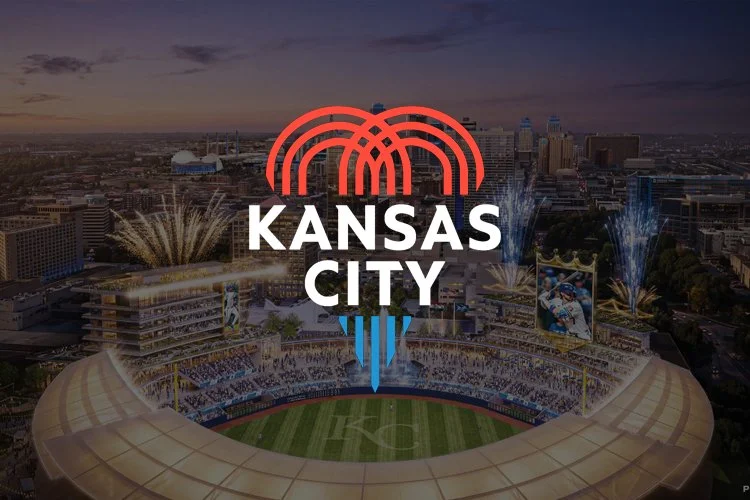
Measuring the Impact of a New Kansas City Royals Ballpark
A 30-year economic and fiscal impact analysis for a proposed $1.9 billion downtown stadium.
A Second Look at a Midwest Arena Opportunity
An updated feasibility study for a proposed multi-purpose arena in Fort Wayne, Indiana.
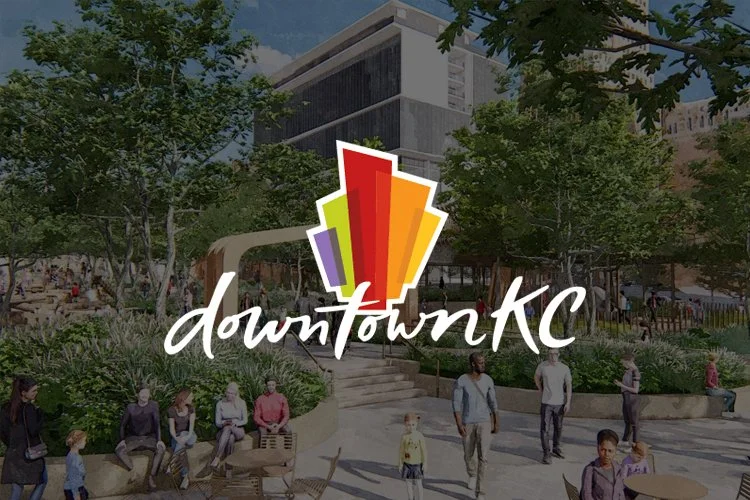
A Front Yard for Downtown Kansas City
A 30-year economic and fiscal impact analysis for a proposed 4.6-acre park deck over I-670.
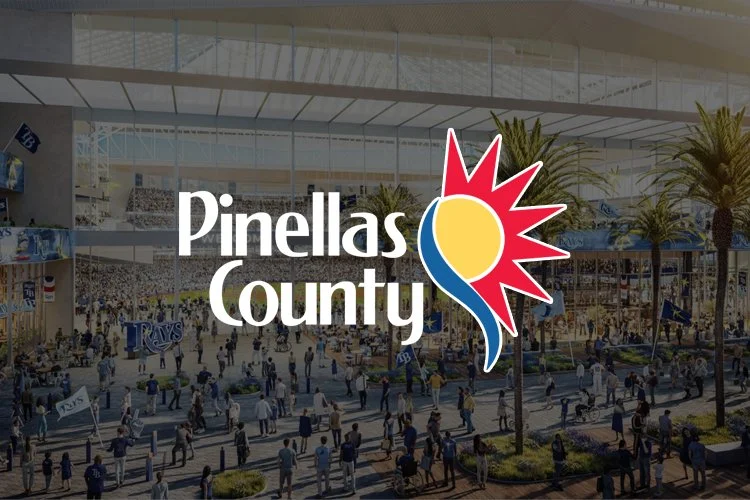
A New Ballpark and Urban Redevelopment in St. Petersburg
Economic and fiscal analysis for a proposed Tampa Bay Rays venue and historic district revitalization.
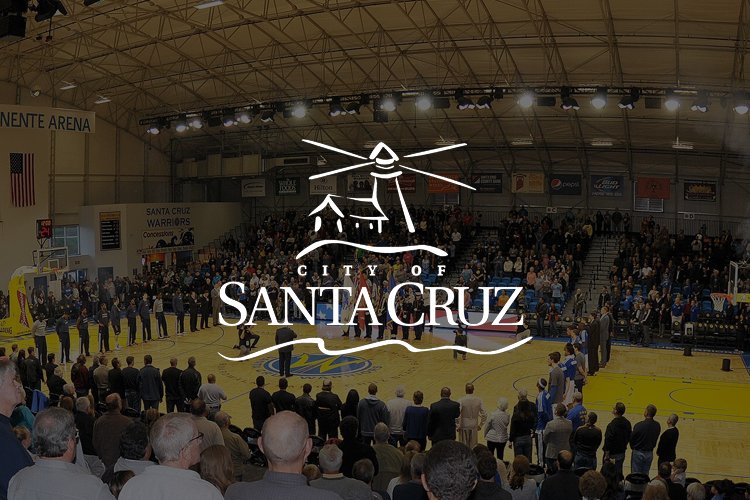
Paving the Way for a Downtown Santa Cruz Arena
Market demand and financial insights for a multi-use venue and proposed home of the NBA D-League's Santa Cruz Warriors.

A New Hub for Anaheim's Entertainment & Culture
Market insights and negotiation support for a dynamic mixed-use district.
Frequently Asked Questions
-
Victus supports cities, counties, states, downtown councils, redevelopment agencies and public authorities on economic and fiscal impact analysis for venues and infrastructure, feasibility studies for public facilities, strategic counsel during public-private partnership negotiations, naming rights valuations for publicly funded properties and presentation support during council, commission and legislative reviews. The work covers the full decision arc from concept through funding approval to operating launch.
-
Engagements are most often initiated by city or county administrators, economic development directors, downtown council leadership, redevelopment agency executives, parks and recreation directors or the law firms and external counsel advising public clients. Many engagements are scoped collaboratively with elected officials, board members, agency staff and the developer or operator partners involved in the project.
-
Victus has supported public sector clients across cities, counties, states, downtown councils, redevelopment agencies and public authorities throughout the United States. Engagements have spanned stadium projects, mixed-use redevelopment districts, park deck and urban revitalization initiatives, convention center work, sports tourism complexes and community recreation facilities. The methodology adapts to the jurisdictional context; the rigor stays consistent.
-
Yes — and most public sector engagements do. A new venue project typically combines economic and fiscal impact analysis with feasibility work and strategic counsel. A redevelopment project might combine operating model evaluation with market demand analysis and impact projections. A naming rights opportunity for a public facility might pair valuation with strategic counsel on the RFP process. Engagement scope follows the decision at hand.
-
Public sector engagements are scoped from the start to withstand the reviews these projects face: council and commission meetings, public comment periods, editorial review, legislative hearings and bond market scrutiny. That means transparent methodology disclosure, IMPLAN sourcing for impact work, defensible spending assumptions, conservative gross-to-net displacement calibration and economic-area definitions calibrated to the relevant jurisdictions. Reports are formatted for public release, not just internal review.
-
Public-private partnerships introduce additional complexity: the analysis often needs to land with public officials, private partners, the development team, the operator, the financing parties and the public simultaneously. Victus engagements scope the work to address the full set of stakeholder reviews, with deliverables calibrated to each audience the project needs to convince. Many P3 engagements include presentation support for both public-side reviews and private-side investor or board discussions.
-
Public sector engagement timing aligns with the project's funding and approval timeline. Feasibility studies are typically scoped at the concept stage, before serious capital is committed. Economic and fiscal impact analyses are scoped 6–18 months before public funding decisions reach formal review — early enough to inform funding strategy, late enough to reflect a stabilized project scope. Strategy engagements adapt to negotiation and decision cycles. Most engagements run 8–16 weeks; complex multi-service engagements run longer.
-
Deliverables are built for public presentation. Reports include clear methodology disclosures, IMPLAN sourcing where applicable, defensible assumptions, executive summaries calibrated for elected officials and public audiences and supporting analysis built for board reviews, council meetings and legislative testimony. Many engagements include direct presentation support during the formal reviews where the project's funding, approval or partnership structure gets decided.

Ready to Make the Case for a Major Public Investment?
Send us a few details about your project and we'll be in touch within one business day.