

Decoding Economic Impact Studies: Vital Tools for Venue Development
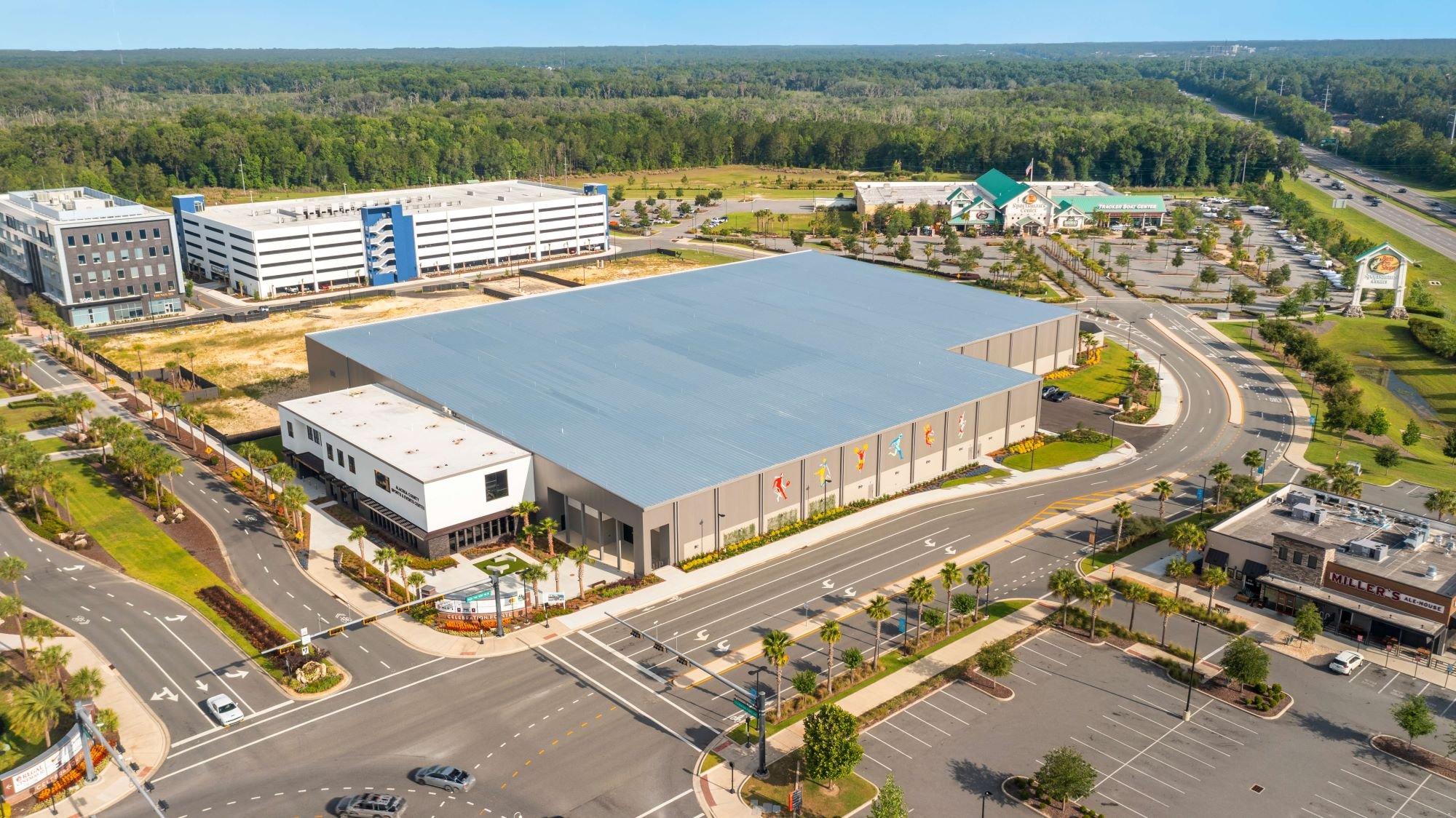
An economic impact study is one of the most widely misunderstood tools in the realm of sports and entertainment venue development. Many see it as a complex enigma, yet it’s an indispensable part of the planning process, especially now. Post-COVID construction costs have soared, and the rise of public-private partnerships has made pooling resources essential. This type of study has become not just a critical tool but often a necessity for getting projects off the ground. Let's dive into the key components of an economic impact study, using our extensive experience as a guide.
Understanding Gross Direct Spending
The journey begins by estimating all of the gross direct spending activity generated by both the one-time construction and ongoing operations of a facility, regardless of where that spending originated from or occurred. This includes: Construction Expenditures: This covers supplies and materials, labor costs, and service fees. Facility Operations: Revenue from ticket sales, premium seating, concessions, merchandise, sponsorships, and other event-related income. Ancillary Spending: Visitor spending on rent and lodging, dining, retail, entertainment, and transportation. Given that roughly two-thirds of our studies have focused on municipal venues, we understand the unique dynamics of these projects.
From Gross to Net Direct Spending
Next, we calculate the incremental (or “net new”) economic impacts specific to the relevant economic area (typically a city, county, or state). This involves adjusting our gross figures to account for displacement, where local spending might merely shift rather than increase. For instance, in a county-wide analysis, we assume that local residents' spending would occur within the local economy regardless of the project. It is important that meaningful economic impact reports present net direct spending figures that represent the true incremental impacts to an economy from new visitor spending.
The Multiplier Effect in Action
A portion of the net direct spending is then re-spent within the relevant economic area (via employees, suppliers, service providers, etc.) creating a “Multiplier Effect.” At Victus Advisors, we use the IMPLAN model, an industry-leading tool for estimating these effects. The multiplier effect includes: Total Output: The combined direct, indirect, and induced spending, as the initial net direct spending ripples through the economy. Employment: Creation of full-time and part-time jobs throughout the economy. Labor Income: Salaries and wages generated by the net new employment. Tax Revenues: Local tax revenues associated with the total economic output.
Evaluating Social Impact
Understanding the social impact can be just as crucial as the economic analysis. We conduct interviews and gather feedback from local community, government, and business leaders to assess potential social ramifications. Key themes often include: Health & Wellness: Promoting physical and mental health through sports, recreation, and the arts. Regional or National Branding: The benefits of having destination facilities and popular entertainment events in your community. Local Business Impact & Retention: Positive financial impacts and new business opportunities. Community Pride: Enhanced community pride and entertainment options. Ancillary Development: The importance of additional developments around public assembly venue anchors for community acceptance and success.
