
Promoter Insights: What Makes a Venue 'Concert-Ready'?
For any concert venue, being “concert-ready” is more than just having a stage and seating. It's about meeting the specific needs of concert promoters, who look for venues that offer a combination of flexibility, high-quality infrastructure, operational efficiency, strategic location, and additional revenue opportunities. By focusing on these areas, venues can position themselves as prime destinations for concerts and events, ensuring a steady flow of bookings and long-term success in the competitive live music industry.
Essential Venue Features: Capacity and Flexibility
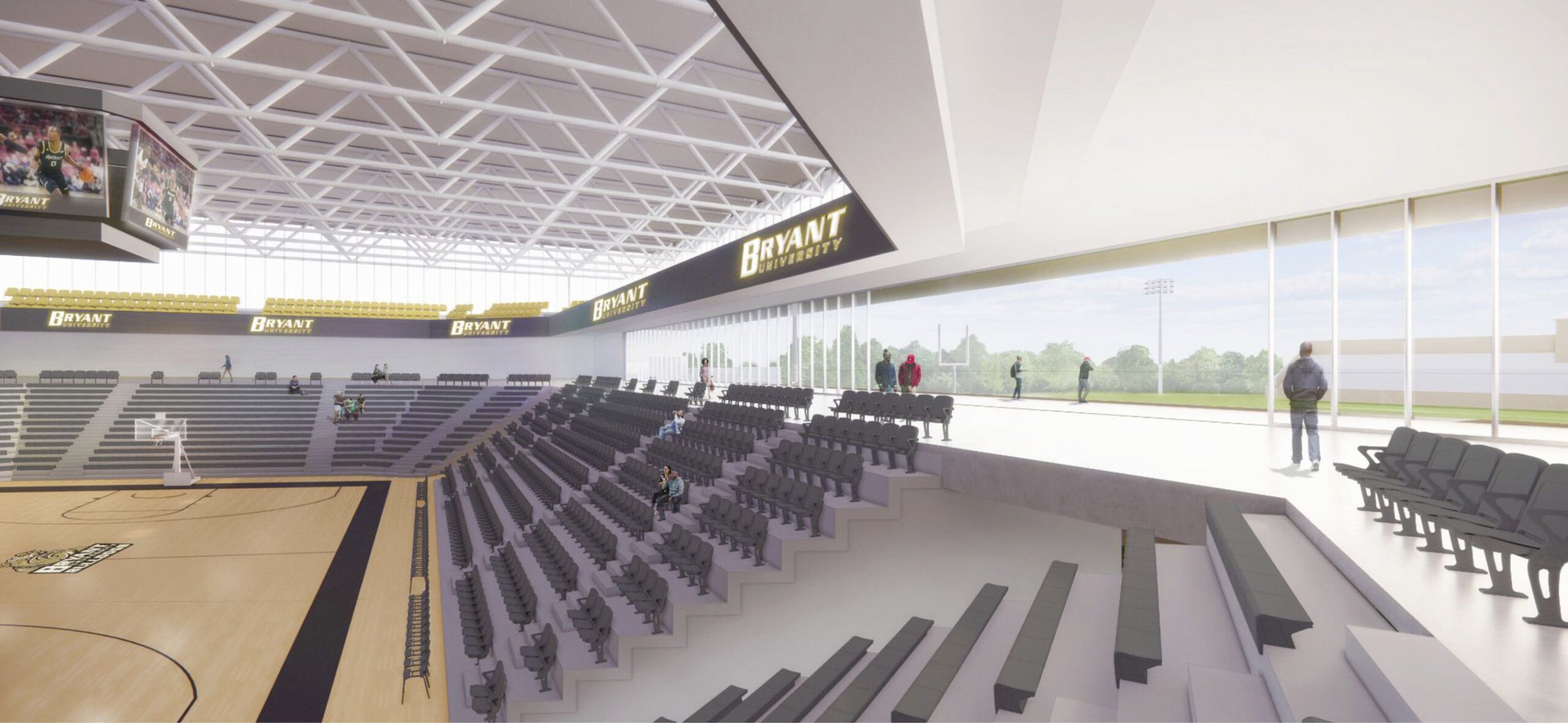
Promoters are highly focused on the physical attributes of a venue, particularly its capacity and flexibility. A venue's seating capacity should align with the target audience size for the types of events being booked. For example, Victus Advisors has been working with Bryant University in Smithfield, R.I., on a new Convocation Center & Arena. With its 2,400 fixed seats and a maximum capacity of 2,800 in an end-stage configuration, the venue is being designed to not only host university graduations and basketball games, but also attract mid-sized concerts that draw from local (Providence) and regional (New England) markets. Flexibility is also critical; promoters value venues that can easily adapt their seating arrangements, stage configurations, and technical setups to accommodate different types of performances. This adaptability is crucial for attracting a wide range of events, from solo acts and comedy shows to full-scale rock concerts.
Infrastructure and Amenities: Supporting the Performer and the Audience
Promoters emphasize the importance of high-quality infrastructure and amenities, not only for the audience but also for the artists and their crews. Key considerations include:
Backstage Facilities: Promoters look for spacious, well-appointed dressing rooms, artist lounges, and catering facilities. These amenities provide comfort and convenience to artists, making the venue more attractive for booking.
Loading Docks and Access: Efficient loading and unloading areas, including multiple loading docks and easy access to the stage, are essential for quick setup and teardown. This can significantly reduce costs and turnaround time between events, which is a major plus for promoters.
Parking and Accessibility: Ample parking for both the audience and tour buses is a must. Proximity to major roads and transportation hubs also plays a critical role in a venue's attractiveness to promoters, who are keen to ensure that both performers and fans can easily access the location.
Operational Efficiency: Speed and Competence
Promoters prioritize venues with a reputation for operational efficiency. Fast setup and teardown times are vital for reducing costs and allowing for back-to-back bookings, which can maximize revenue opportunities for both the promoter and the venue. This efficiency depends on:
Experienced and Well-Trained Operating Staff: Venues that employ experienced technical, production, and event management staff create a smoother experience for the promoter and the touring crew. A well-trained team can handle last-minute changes and ensure that the event runs without a hitch.
Advanced Technology and Equipment: Promoters prefer venues equipped with modern lighting, sound systems, and digital technology that meet the technical requirements of today's productions. Venues that can provide these facilities in-house save promoters the cost and effort of bringing their own equipment."
