

How Performing Arts Centers Anchor Community Revitalization
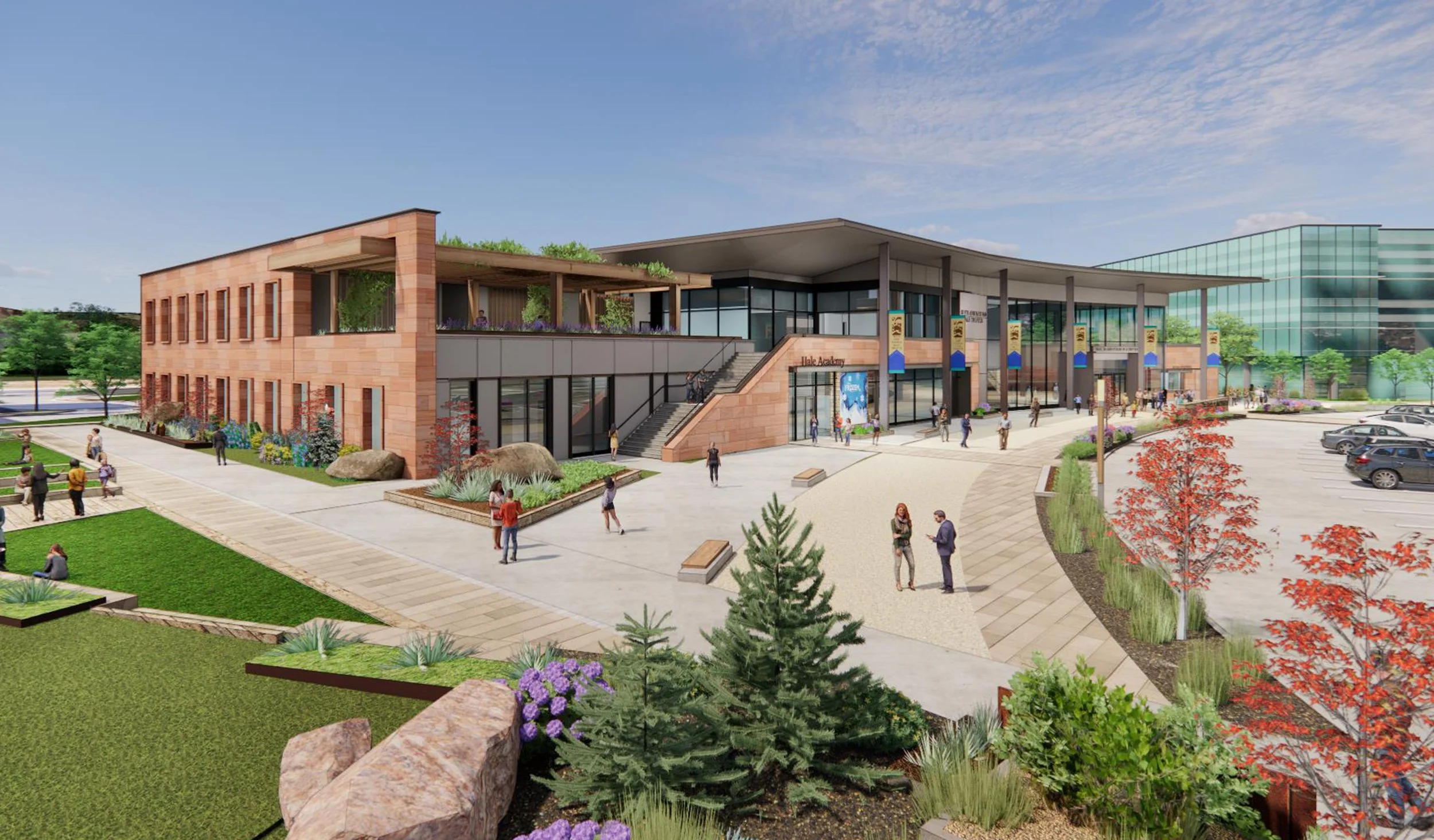
When neighborhoods seek to breathe new life into their communities, performing arts centers often emerge as an underutilized but transformative solution. These venues are far more than spaces for entertainment. They create economic ripple effects, foster local pride, and enhance the overall quality of life. Take Playhouse Square in Cleveland, for example. Once a struggling theater district, it is now a thriving cultural and economic hub. Both projects demonstrate how strategic investments in arts facilities can revitalize communities and leave a lasting legacy.
Economic Catalysts
Performing arts centers are powerful economic engines. For instance, The Ruth at doTERRA, a $55 million cultural landmark in Pleasant Grove, Utah, includes state-of-the-art spaces like the Smith Grand Theater and Lindsay Legacy Theater. It is expected to draw over 400,000 visitors annually. These visitors will generate significant economic activity for local businesses, such as restaurants, hotels, and retail stores. According to Victus Advisors' research, similar facilities contribute millions in annual economic output while creating new jobs. The Heber Valley Community Arts Center illustrates a comparable impact. Its estimated $194 million in cumulative economic output over 30 years includes $131 million in direct spending and 63 new annual jobs in Wasatch County. By attracting both residents and visitors, performing arts centers serve as engines for sustained local growth.
Enhancing Community Identity
Performing arts centers also strengthen a community's sense of identity. The Heber Valley Community Arts Center, a proposed 65,000-square-foot facility, was designed to serve local theater groups, orchestras, and arts organizations. This focus ensures the space reflects Heber Valley's unique cultural character, making it a true community asset. Similarly, The Ruth at doTERRA prioritizes education by including private studios and recording spaces. These features encourage creativity and learning, while also deepening ties between residents and their cultural assets. Facilities like these foster a sense of ownership and pride in the arts.
Driving Public-Private Partnerships
The development of performing arts centers often depends on effective public-private partnerships (P3s). These collaborations make ambitious projects financially viable. For example, the Heber Valley project explored a funding model that combined private donations with public support, ensuring maximum impact for the community. The Ruth at doTERRA also benefited from private donations, raising over $32 million with substantial contributions tied to naming rights partnerships. These partnerships not only bring projects to life but also align businesses with community-focused initiatives, enhancing their public goodwill.
Addressing Community Needs
A successful performing arts center is designed with its community in mind. For the Heber Valley project, stakeholder input was critical in shaping spaces that meet local needs, such as rehearsal halls, galleries, and event venues. This approach ensures accessibility and broad appeal. The Ruth at doTERRA also serves diverse needs with flexible spaces like a club lounge and ballroom. These areas accommodate private events, further extending the center's reach beyond traditional performing arts programming. Such multi-use designs foster social cohesion and inclusivity."
